Sticky or Not Sticky?

One of my biggest questions when I arrived here in Thailand, aside from wondering what people were saying or why everyone was smiling at me all the time, was how to tell the difference between regular rice and sticky rice.

Once cooked, the differences are quite obvious. Sticky rice sticks together and regular rice doesn’t. It’s as simple as that.

The process leading up to the final product is what confused me. Do you use the same type of rice? Do you cook it in the same way? What gives sticky rice it’s stick?

I’m still not all that clear on the topic, but I have learned enough to give you a brief rundown in case you also were wondering.

First and foremost, the more glutenous the rice, the more sticky. So, rice with more gluten, when cooked, is going to stick together more. This is what attributes to the differences in stickiness between rice in Thailand (not very sticky) and rice in countries like Korea, China, and Japan (more sticky).

Generally, rice that is longer is less glutenous and therefore less sticky … hence long grain rice in the states being a part of the non-sticky variety.

As for how to tell the two apart, the length of the grain is the first factor. Again, the longer the grain, the less sticky. The shorter the grain, the more sticky. Additionally, the color of the rice can help you decipher stickiness. If the rice is white, it’s most likely not going to be sticky. If the rice is opaque (aka you can see through it), you’re on the right track to the sticky version.

If you’re going out to buy rice at the store, you’ll most likely only find “sticky” rice at an Asian market or store and it will most likely have a name such as “Sweet Rice” or something of the sort. You can ask them to help you find the right one. I haven’t tried it so I’m not really sure how the search would go.

When it comes to actually cooking the rice, there are two very different methods. I’ll admit, at the moment I’m not an expert in these differences. I know how to cook regular rice in a pot or rice cooker. I’ve never made sticky rice (not yet at least!). I do know though that the main difference is the use of water. With regular rice you boil and let the water evaporate/get soaked into the rice, and in the end your rice is nice and fluffy. With sticky rice, you don’t use water. You soak the rice for a half hour or so, but then you drain it and use a sticky rice steamer to steam the rice. Again, not quite sure how this works, but in the end you get the sticky concoction rather than the fluffy kind.

Looking back at this article I realize I have a long way to go in my knowledge of Thai cooking! Hopefully I can provide you a better update down the line once I’ve tried my hand in this rice cooking business!

A Tasty Tease

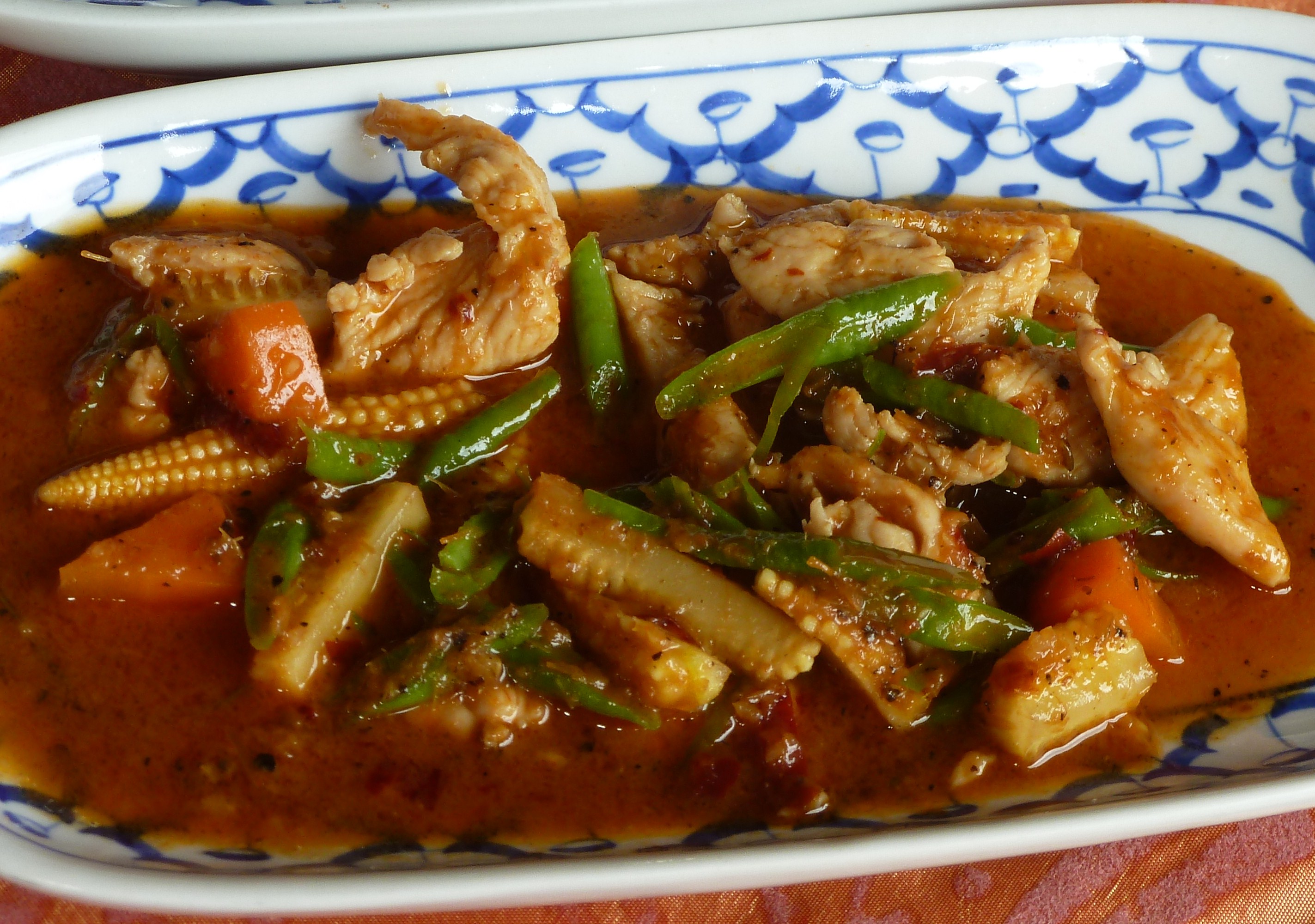
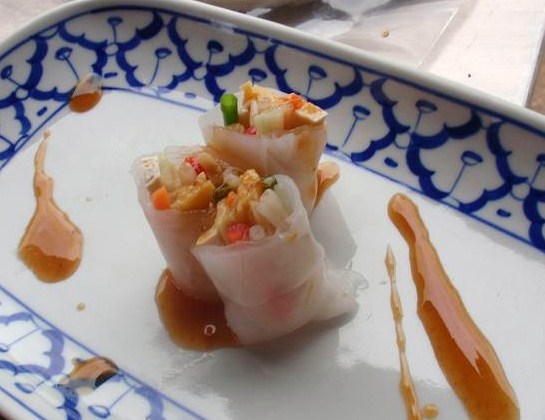
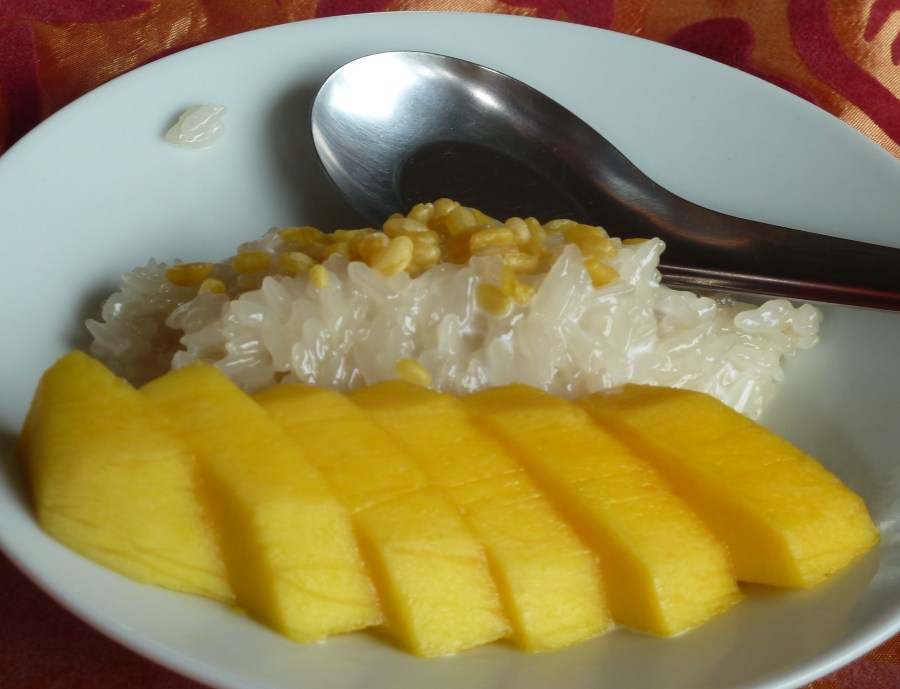
It’s going to be a little while before you get my first attempt at a recipe, but I thought I’d whet your appetite by giving you some pictures of the meals Cory and I made during our cooking class. I will definitely be attempting these recipes again along the way. Enjoy!

Tom Kaa Kai
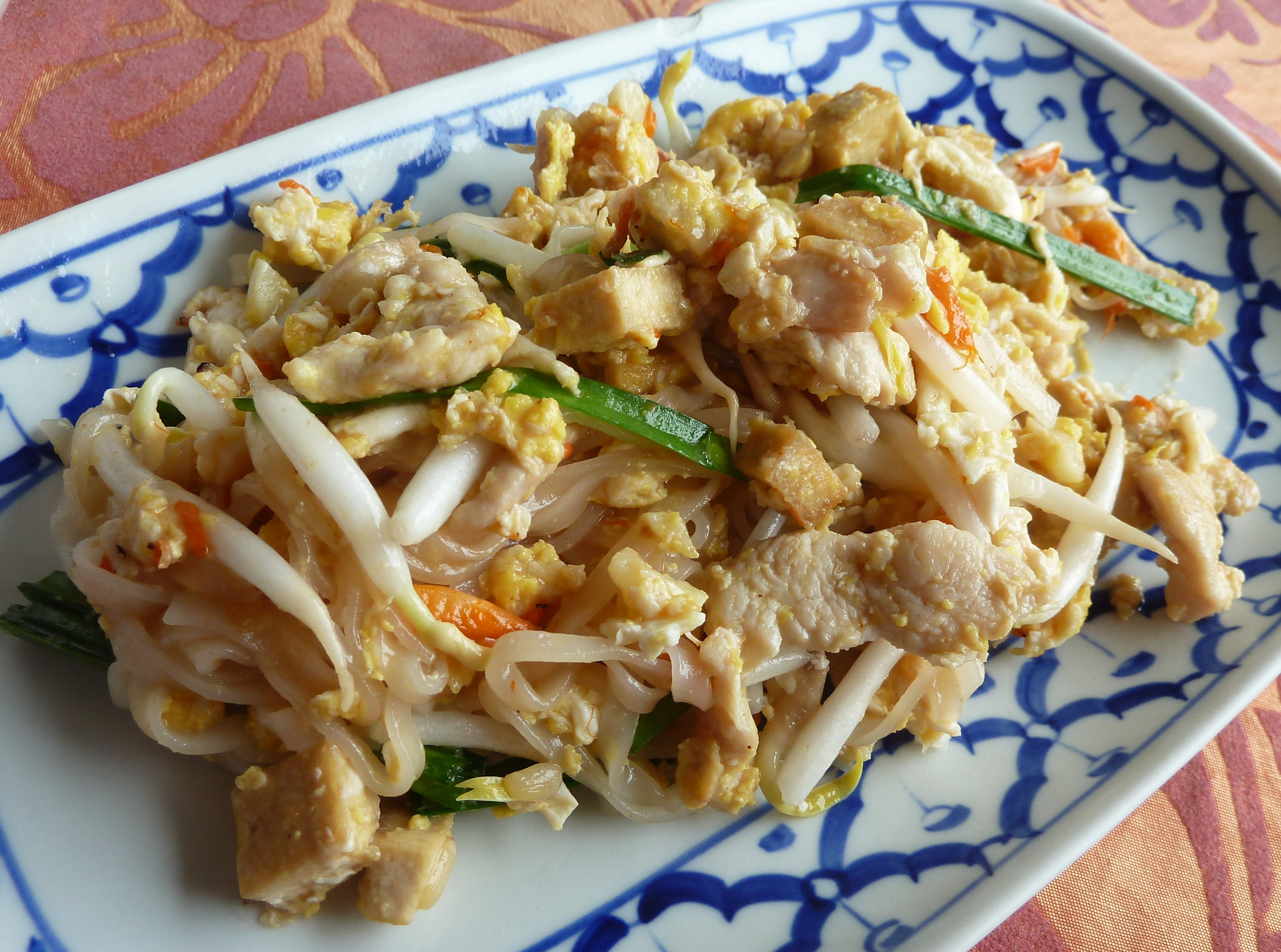
Pad Thai: A Traditional Favorite
Tom Yam Gung and Kai Phat Met Ma Muang
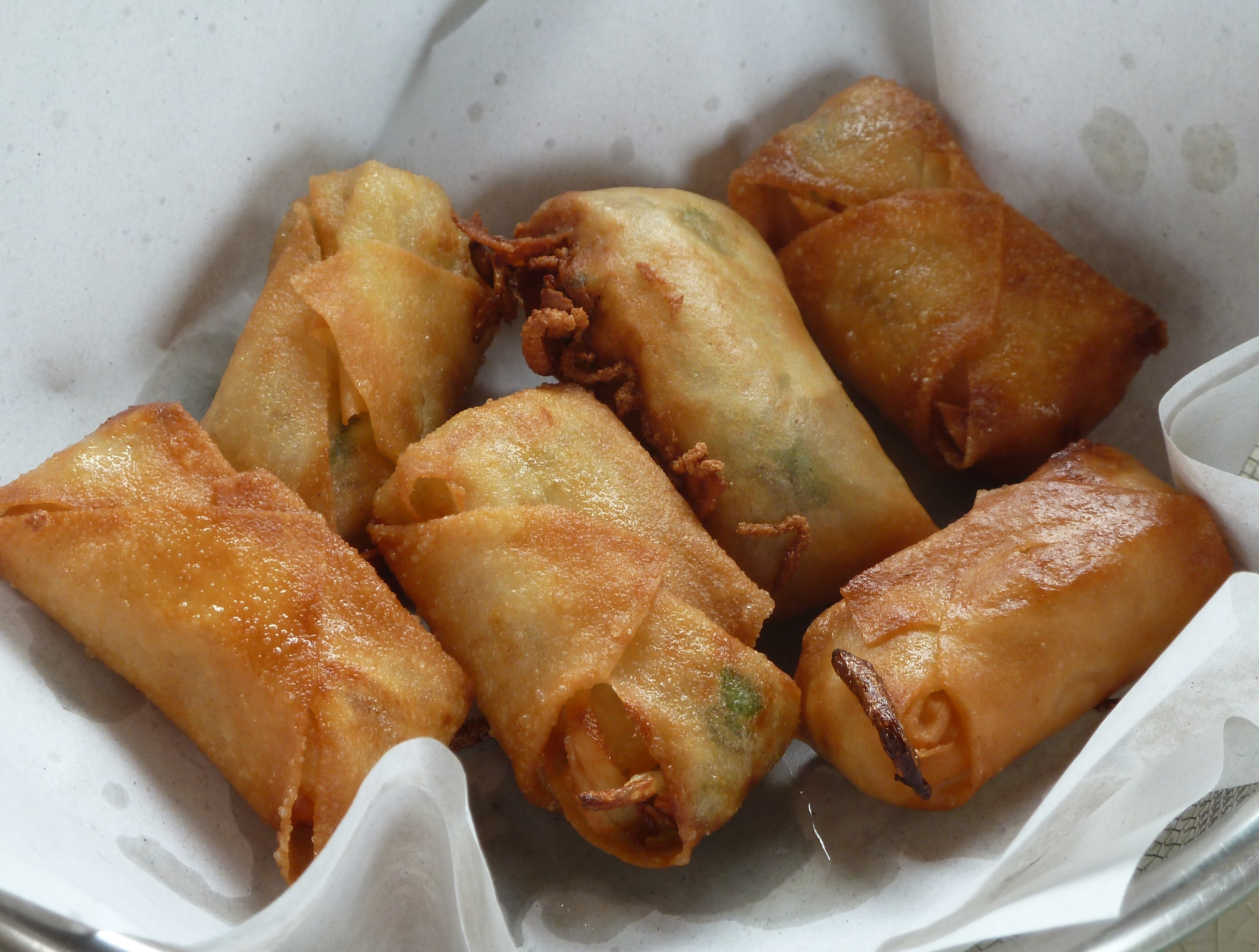
Paw Pia Tawt
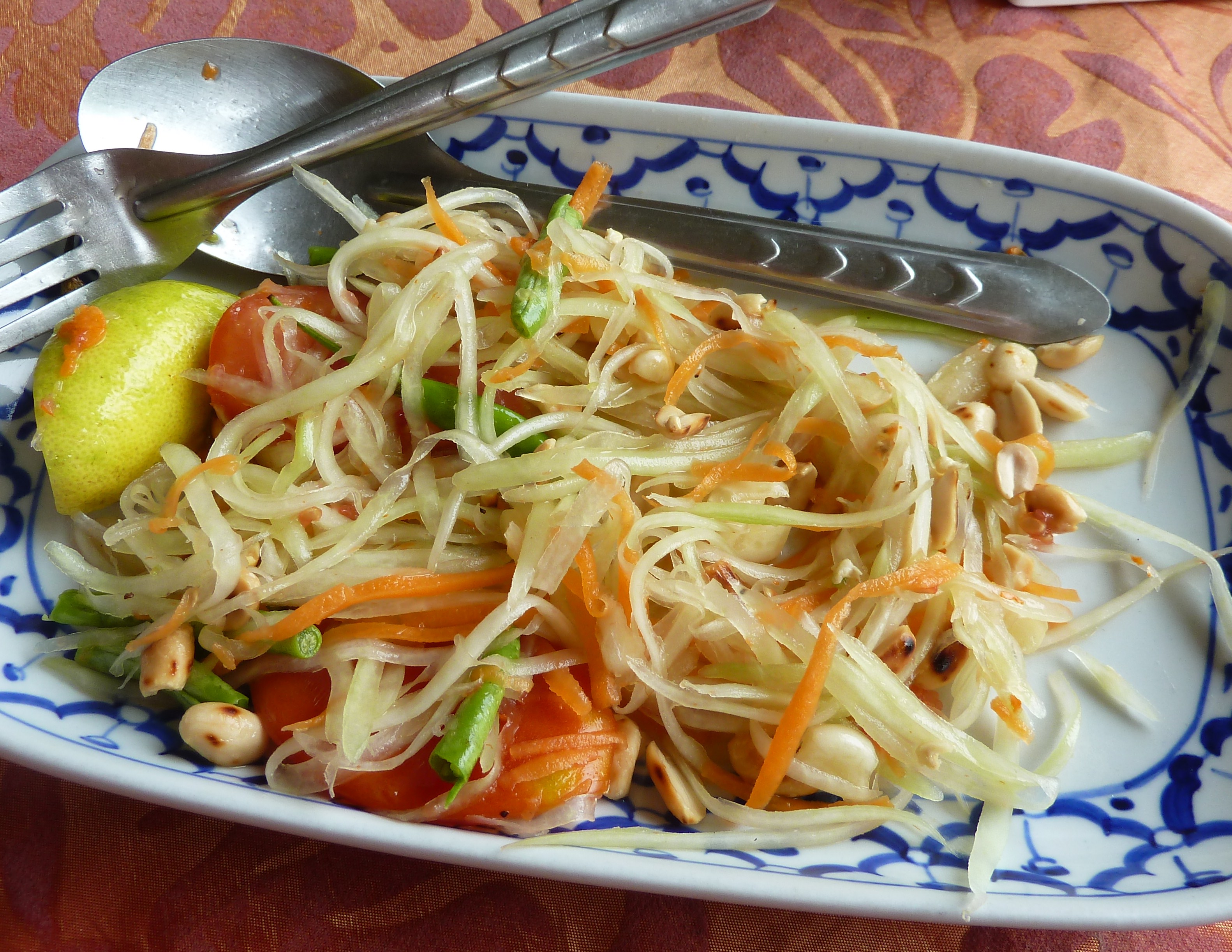
Som Tam
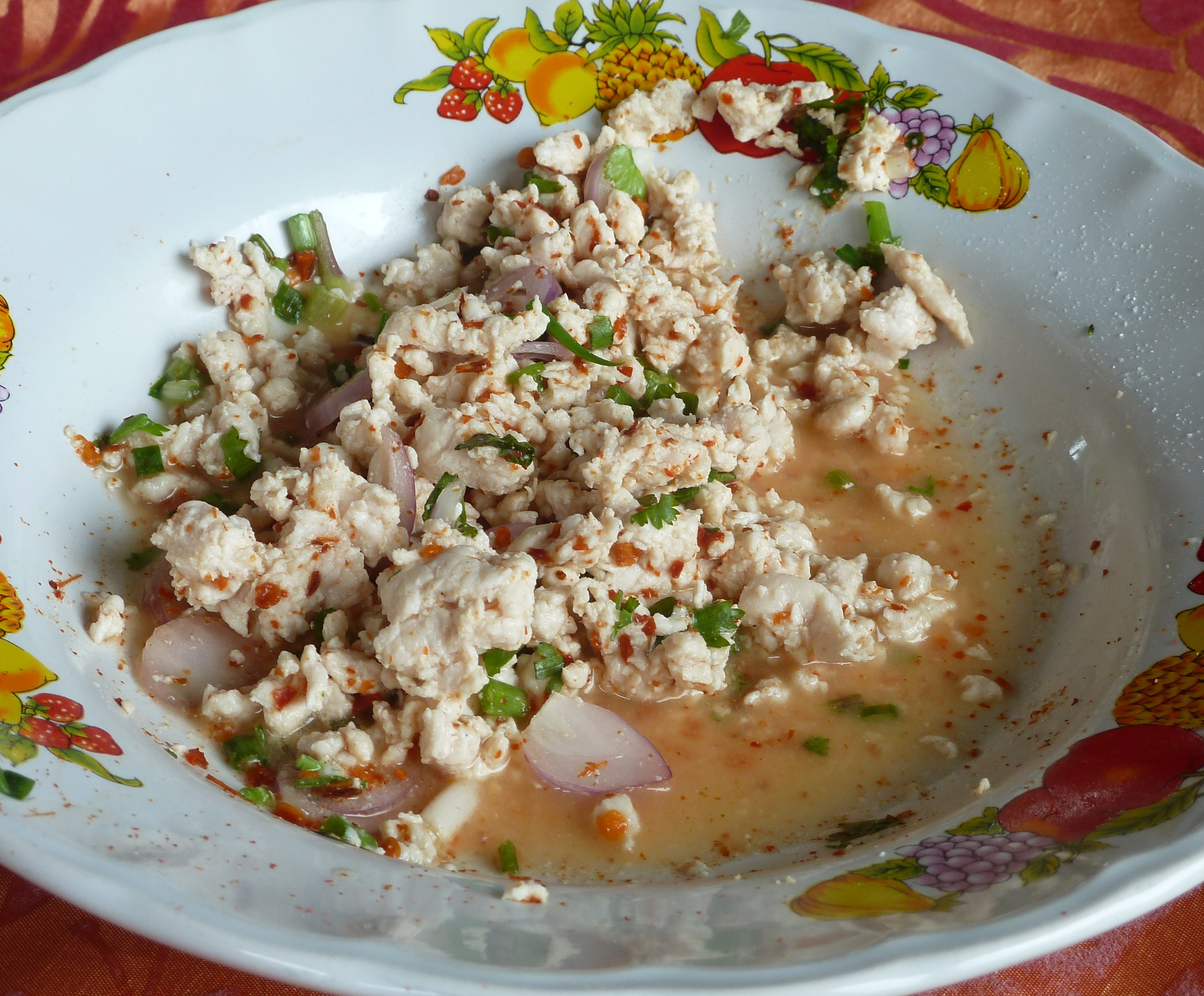
Laab Gai
Geng Kiao Waan Gai
Paneng Gai
Gluai Buat Shee
Fresh Spring Rolls
Kaao Niao Ma Muang

Smart Cooking Chiang Mai

Smart Cooking is the company through which Cory and I found our passion for Thai food! It’s one of the many cooking schools available up in the Chiang Mai area and while I haven’t been to any of the other schools, I’m going to recommend this one above all of them. It was an amazing experience!

For about $30 U.S. dollars you get the following:

  • Pick up and drop off from your hotel
  • Train ticket (and beautiful ride) to a local town
  • Bicycle ride to the cooking studio (a quaint little house)
  • Opportunity to learn about Thai herbs and pick your own from the organic garden on site
  • Personal instruction on cooking six different dishes and one curry paste (all of your own selection)
  • Great company from both the Thai instructor and your classmates
  • Beer service! They’ll even do a beer run so you have something to drink while you eat your yummy food!

All in all, this was a fantastic experience. Cory and I both agree that this was by far the best thing that we did on our trip. If you’re ever in Thailand, specifically Chiang Mai, I would highly insist you check them out!

You can find them online at http://www.chiangmaismartcook.com!

The Thai Food Challenge

Sawatdee ka!

Welcome to my Thai cooking blog! Over the last seven months I have joyously indulged in the amazing cuisine of Thailand. From the succulent fruits to the savory curries, Thailand has some of the best food this world has to offer. I have been lucky enough to enjoy these amazing dishes every day. However, over the last seven months I have never once produced these amazing foods on my own. I have been daunted by the crazy spices, unique ingredients, and seemingly complex concoctions. For seven months I’ve left it to the pros (the awesome Thai women at the market!) …

Until now!

I recently attended a cooking class up in Chiang Mai that changed my world forever. My fears of the Thai kitchen were completely assuaged thanks to a vibrant little woman name Pii Oye. In just one day Pii Oye opened my eyes to incredibly simple ingredients, fast and easy techniques, and ultimately delicious foods (that I made!). I have a new passion for Thai cooking and am embarking on a new cooking challenge. I have decided to open my doors and share my kitchen adventures with you.

The Challenge

My plan is to cook every weekend. My weekdays are quickly filled with lesson planning, school activities, and naps 🙂 but my weekends provide plenty of time for cooking it up. Every week I plan on picking one recipe (to start). During the week I will compile all the necessary ingredients by visiting the store, the market, and my neighbors. Then, I will fire up the stove and cook my little heart out! Then, I’ll eat 🙂

The Blog

The blog is here to share this experience with you. What will you find on here? Obviously you’ll find a long list of recipes as the weeks progress. I’ll post the recipes I actually make along with additional recipes I find that seem interesting or tasty. I’ll also post basic information on Thai Cooking, ingredients and where you might find them in the states, substitution ideas, tips, general thoughts, etc.

Most importantly, I’ll blog about my cooking experience. As I make all of these wonderful dishes, I’ll be sure to post every success and failure. Which dishes tasted amazing and which dishes were a complete flop? What happens when you turn the gas stove up too high before lighting? Why can’t you substitute real lime leaves with Kaffir lime leaves? All the mishaps, all the tasty treats, everything, will be posted here.

The Goal

My goal for this blog is to share Thai cooking with all of you. I have a unique experience to learn Thai cooking in Thailand with fresh ingredients, proper equipment, and great Thai mentors to make sure I do it right. I look forward to sharing all of that knowledge with you in hopes that you all will try it out for yourselves!

Thai cooking is not difficult. Anyone can do it! I look forward to hearing your comments, questions, and stories of your own attempts at Thai cooking.

Let the tasting begin! 🙂